Independent Evaluators to Assess Safety of OpenAI Models
Apollo Research, METR, Transluce, and Goodfire will conduct pilot evaluations of model behavior and safeguards
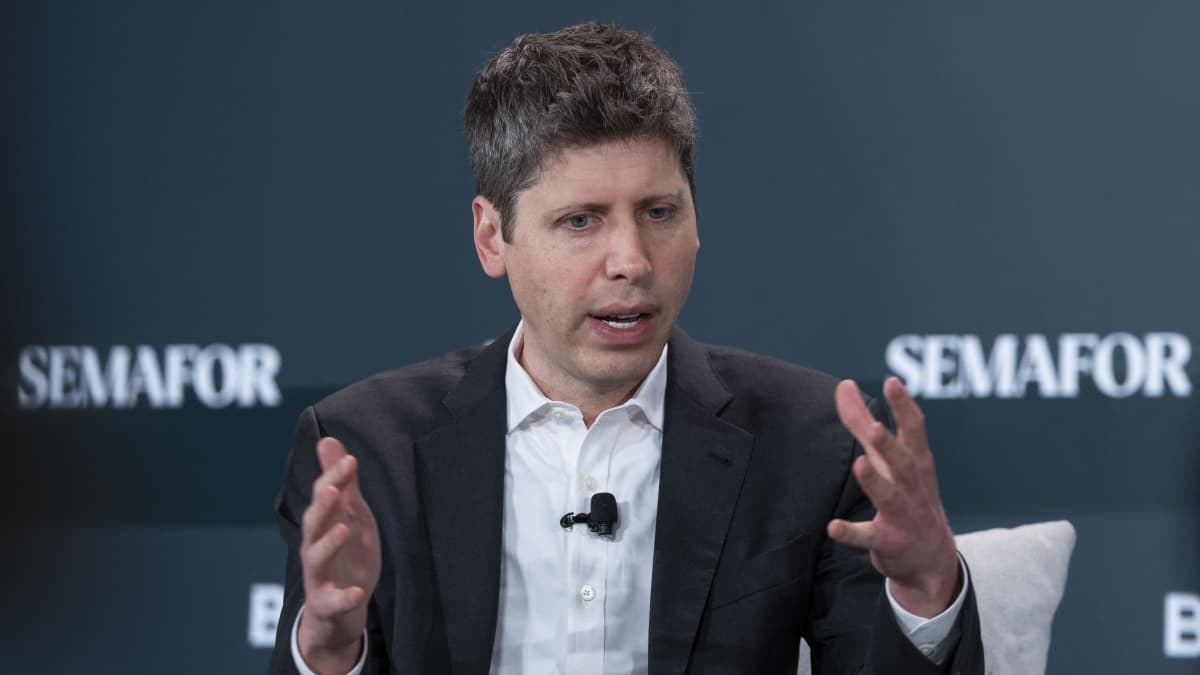
OpenAI has entered into agreements with four independent evaluators to assess the safety of its models. In the initial phase, the organizations will conduct separate pilot studies, and the company intends to use their findings to expand collaboration with external experts.
Apollo Research will examine whether models can act covertly against developers' intentions and whether safeguards detect such behavior. Goodfire will place its researchers within OpenAI: they will monitor model training, identify errors, and adjust model behavior. METR will conduct two evaluations focusing on model alignment with specified objectives and monitoring. Transluce will assess post-training alignment verification methods currently in use and then plans to carry out an additional eight-week study next year with broader access to models and information.
According to OpenAI, evaluators will have access to the same internal resources used by the company’s own researchers. These include source code, model checkpoints, training data, and technical documentation. The organizations will also be able to interact with OpenAI employees.
Apollo Research and Goodfire receive financial compensation, but the amount and payment are not tied to the evaluation results. METR and Transluce are not paid for their work, though they may accept computational resources or API credits. OpenAI believes that compensation itself does not compromise the evaluators' independence but discloses this information.
The organizations will be able to publish their findings; however, OpenAI reserves the right to withhold confidential information. Disputes between the company and evaluators will first be reviewed by OpenAI’s safety advisory group. If no agreement is reached, the matter will be referred to the Safety and Security Committee—an independent oversight body of the OpenAI Foundation board.