Uzbekistan to fully abandon manual cotton harvesting
In 2026, machinery harvested 75–80% of the crop; in 2027, the plan is to reach 100% mechanization
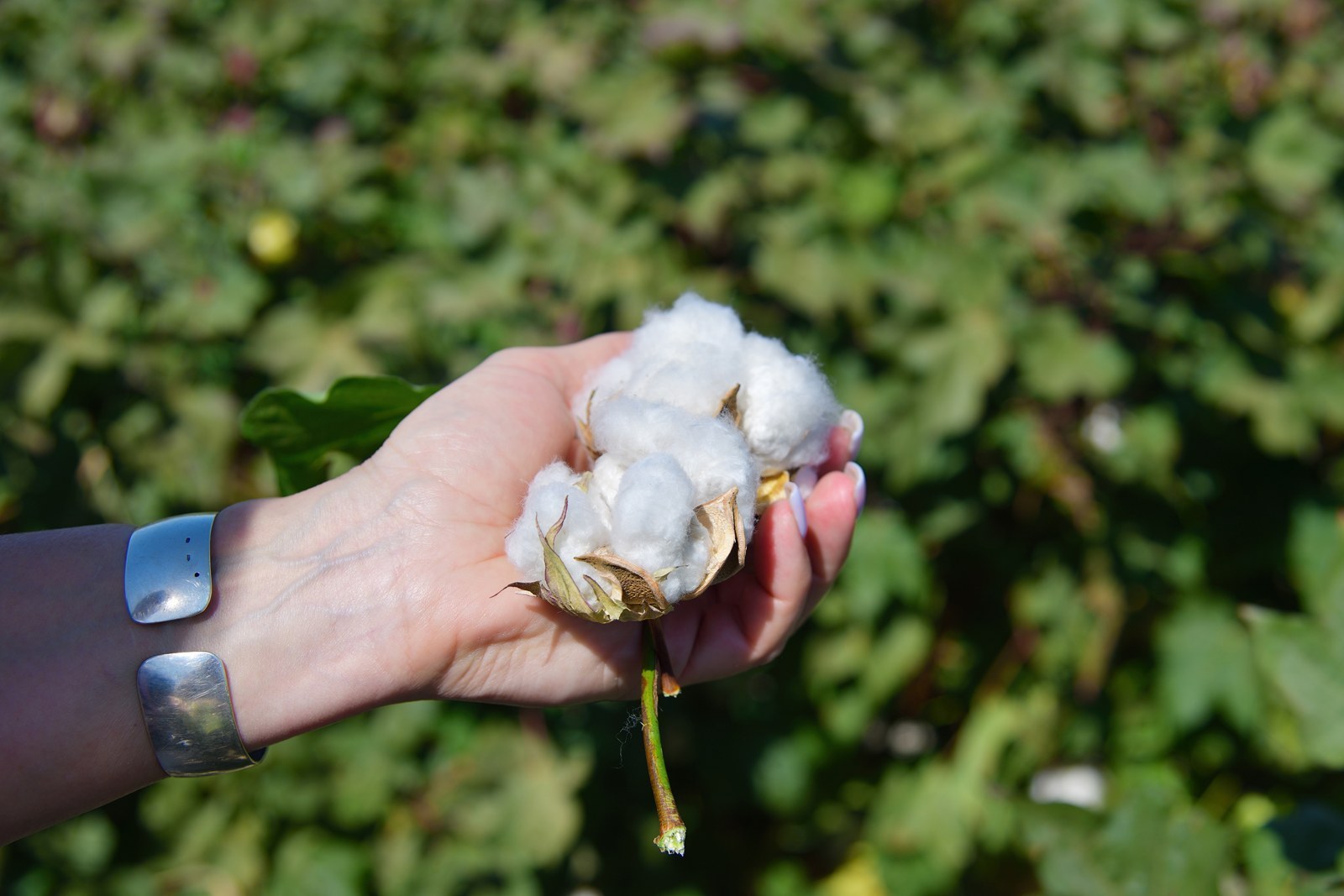
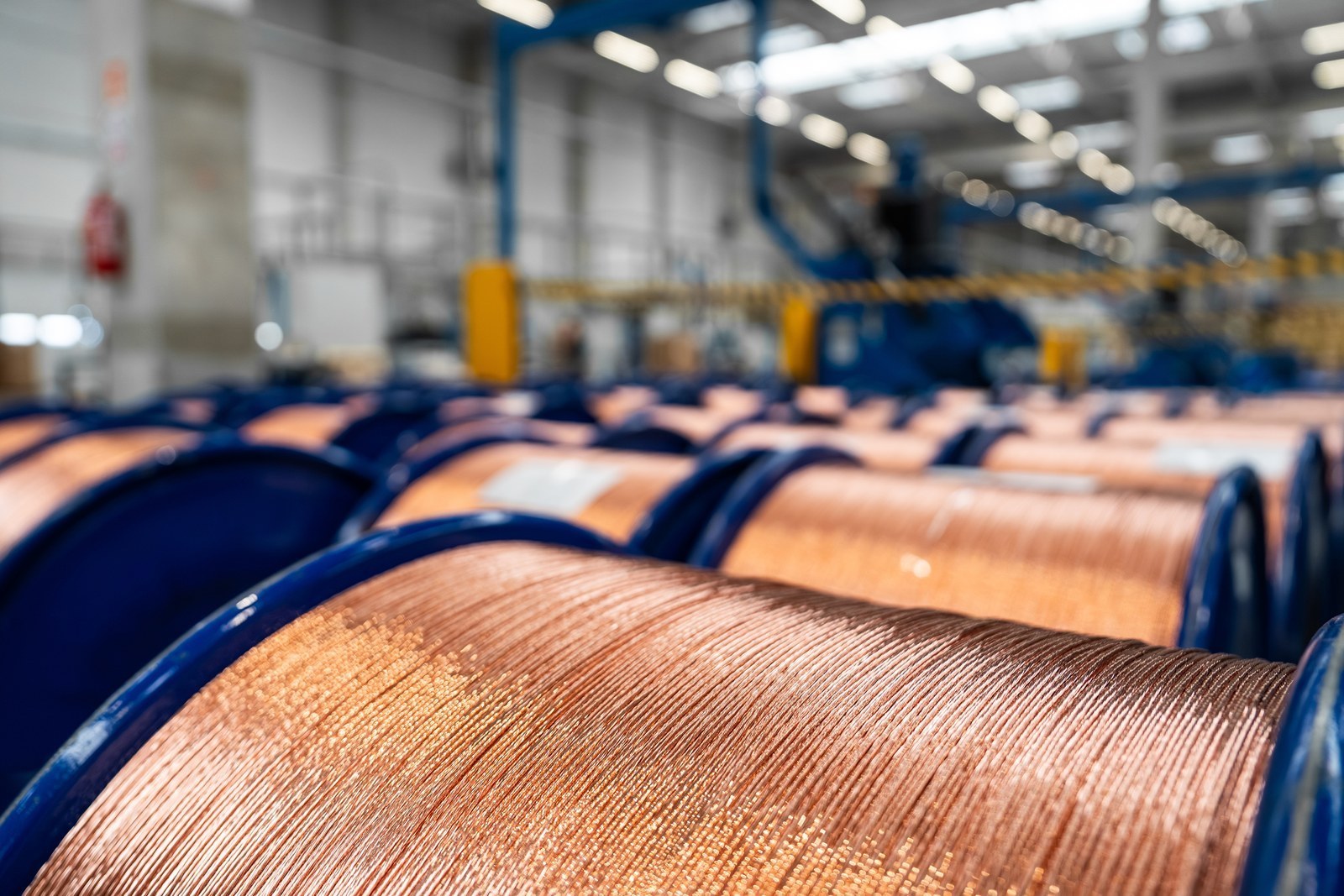
In 2026, Uzbekistan produced over 5 million tonnes of raw cotton, of which 75–80% was harvested using machinery. In the Syrdarya and Jizzakh regions, the harvest was fully mechanized, stated Minister of Agriculture Ibrokhim Abdurakhmonov at a press conference on November 6.
This season, around 3,000 cotton harvesting machines operated in the fields. Of these, 1,500 units were acquired this year. According to Abdurakhmonov, the plan is to increase the share of machine harvesting to 100% next year.
The share of manual labor this season amounted to about 20–23%. Cotton was mainly harvested by hand on small plots and fields located between orchards, where large machinery cannot access.
Abdurakhmonov noted that completely abandoning manual harvesting requires changes at the sowing stage. Cotton must be cultivated in a way that makes fields suitable for machine operation. He stated that the president instructed organizing cotton cultivation on an economically viable basis and transitioning to harvesting exclusively with machinery.
Nearly 53,000 hectares, inaccessible to cotton harvesting machines, are planned to be gradually withdrawn from cotton cultivation. These lands are intended for growing vegetables and other food crops.
The minister called it impractical to grow cotton on plots of one to one and a half hectares where machinery cannot access. In the future, such areas are expected to be allocated for food crops.
Responding to a question about preserving manual labor, Abdurakhmonov stated that this year the ministry did not instruct the forced mobilization of the population for cotton harvesting. In some cases, family members of farmers, interested in additional income, participated in the harvest.
At the same time, the minister acknowledged that mechanization should not deprive people who previously worked in cotton fields of their earnings. In his estimation, the reduced need for pickers must be compensated by creating new jobs in the textile industry.
Abdurakhmonov expects that increasing cotton fiber processing will help load textile enterprises and create additional employment. He noted that just ten years ago, almost the entire harvest was collected manually, with mechanization levels below 25%.
Previously, manual harvesting was preferred as it was considered necessary to maintain high cotton fiber quality. According to the minister, this allowed the product to be sold at a higher price.
Journalists also asked about the quality of machine harvesting and possible crop losses after combine passes. Abdurakhmonov stated that modern machines allow for complete cotton collection without leaving any in the field. He attributed this to new technologies and noted that current machinery differs from the old, as cotton no longer falls to the ground.
Cotton harvesting machines are produced in Uzbekistan in collaboration with Chinese companies. Joint ventures with FM World operate in the Kashkadarya region, and enterprises with Swan have been established in the Fergana Valley. Additionally, agricultural machinery is manufactured at a tractor plant together with Chinese partners.
The press conference also addressed the prevention of forced and child labor during the cotton harvesting campaign.
Dilshod Nazirov, press secretary of the Ministry of Agriculture, reported that the ministry strictly controls the involvement of minors in cotton field work. According to him, explanations that a child came after school only to visit someone or bring food are not considered acceptable.
Manual harvesting was permitted only on technological strips 11 meters wide, intended for the turning and passage of cotton harvesting machines.
Nazirov added that the ministry requested special groups of the Ministry of Internal Affairs to prevent the involvement of children, students, and people with deteriorating health conditions in cotton harvesting. Among such categories, the ministry representative also named women.
The plans to fully mechanize cotton harvesting have been repeatedly announced by Uzbekistan’s authorities over the past 13 years. In October 2013, then-Prime Minister Shavkat Mirziyoyev spoke of intentions to increase mechanization levels to 80–90% by 2016. At that time, over 1,000 cotton harvesting machines were operating in the fields, with plans to produce another 3,000 units the following year.
In October 2017, former Deputy Prime Minister and head of Uzagrotechsanoatholding Nodir Otajonov stated that mechanization of the cotton harvesting campaign would reach 80% within five years. Specifically, it was expected that by 2018, the Syrdarya region would achieve an 80% rate.
In December 2019, Otajonov reported that from 2020, the share of machine harvesting in Tashkent, Syrdarya, Jizzakh, and Kashkadarya regions should reach 50%. In subsequent years, the plan was to increase it to 80%.
In January 2020, the government adopted Resolution No. 21 on the accelerated introduction of machine cotton harvesting. The document outlined two stages: in 2020–2022, mechanization was to be implemented in Tashkent, Syrdarya, Jizzakh, and Kashkadarya regions, and in 2023–2026, in the remaining regions of the country.
In April 2020, the president instructed accelerating mechanization, delivering at least 1,000 cotton harvesting machines to the regions by September, and creating service centers for their maintenance.
At a meeting with the president in February 2026, it was reported that over the previous years, the country had acquired 1,756 cotton harvesting machines. This allowed mechanization levels to reach 52%. In the 2025 season, 2.1 million tonnes of cotton were harvested using machinery.
At that time, the task was set to increase the share of machine harvesting to at least 70%. For this, the purchase of another 800 cotton harvesting machines, as well as 6,000 seeders, tractors, and combines, was planned for 2026.
In 2016, the World Bank published a study titled 'Social Impact Assessment of Cotton Harvest Mechanization in Uzbekistan.' The document noted that the country remained one of the few cotton-producing states where the majority of the harvest was collected manually.
According to the study's authors, between 2.2 and 3 million people participated in the 2014 cotton harvesting campaign. Mechanization, as stated in the document, was expected to reduce the need for mass labor mobilization, including workers mobilized by local authorities.
At the same time, researchers warned of potential negative consequences for rural residents. For many, seasonal cotton harvesting was an important source of cash income.
In 2021, the international coalition Cotton Campaign lifted the boycott of Uzbek cotton, which had been in place since 2011. The reason for the boycott was the systematic use of forced labor.