What Will Happen to Critical Minerals in Central Asia
Raw material exports, selective industrialization, or regional cooperation?
Three scenarios are being considered for Central Asia until 2030. The second option, with certain elements of the third, appears the most realistic.
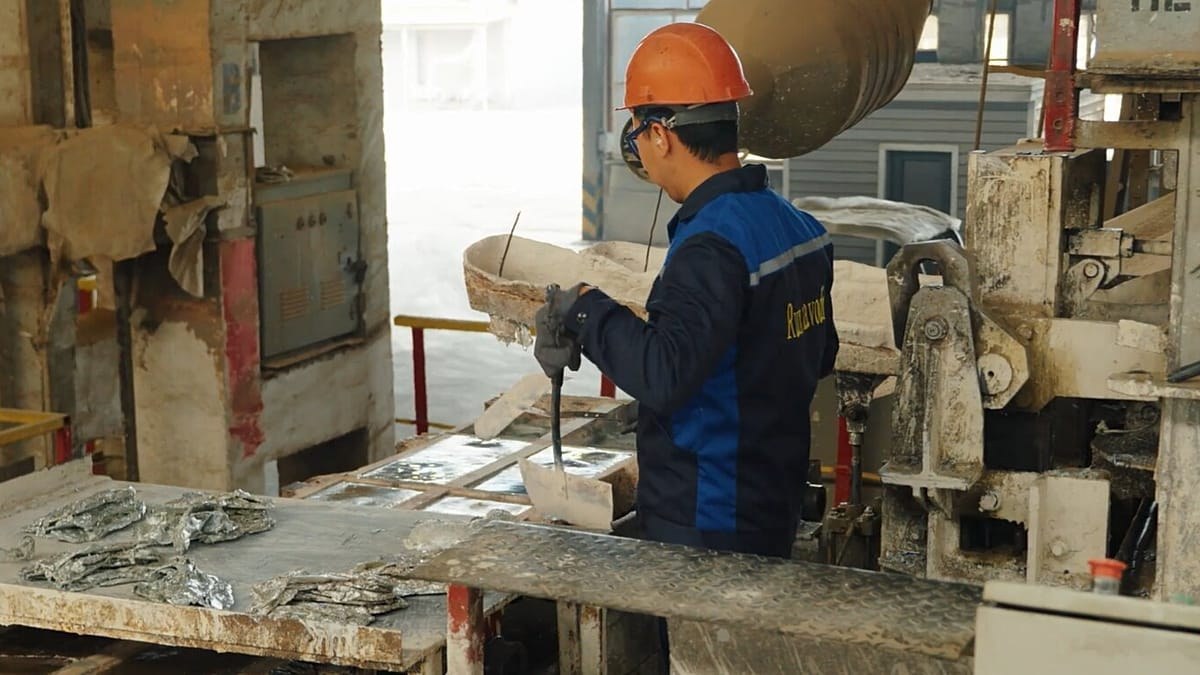
Kazakhstan already possesses a mining and metallurgical base, while Uzbekistan is developing copper and technological projects. Kyrgyzstan and Tajikistan could specialize in antimony but face infrastructure limitations and a small processing base. In Turkmenistan, the presumed potential of metallic resources still requires geological exploration and should not be equated with proven commercially recoverable reserves.
The key task is to retain not only extraction but also enrichment, refining, alloy production, and material manufacturing within the region. Establishing all stages in each country may be unprofitable, making cooperation a viable option. Its outcome will depend on global prices, financing availability, construction timelines, demand, tariffs, customs procedures, and technical standards.