Amazon loses 40 internet satellites during Vulcan rocket launch
The launch vehicle developer reported an anomaly 10 minutes into the flight and the loss of the satellites
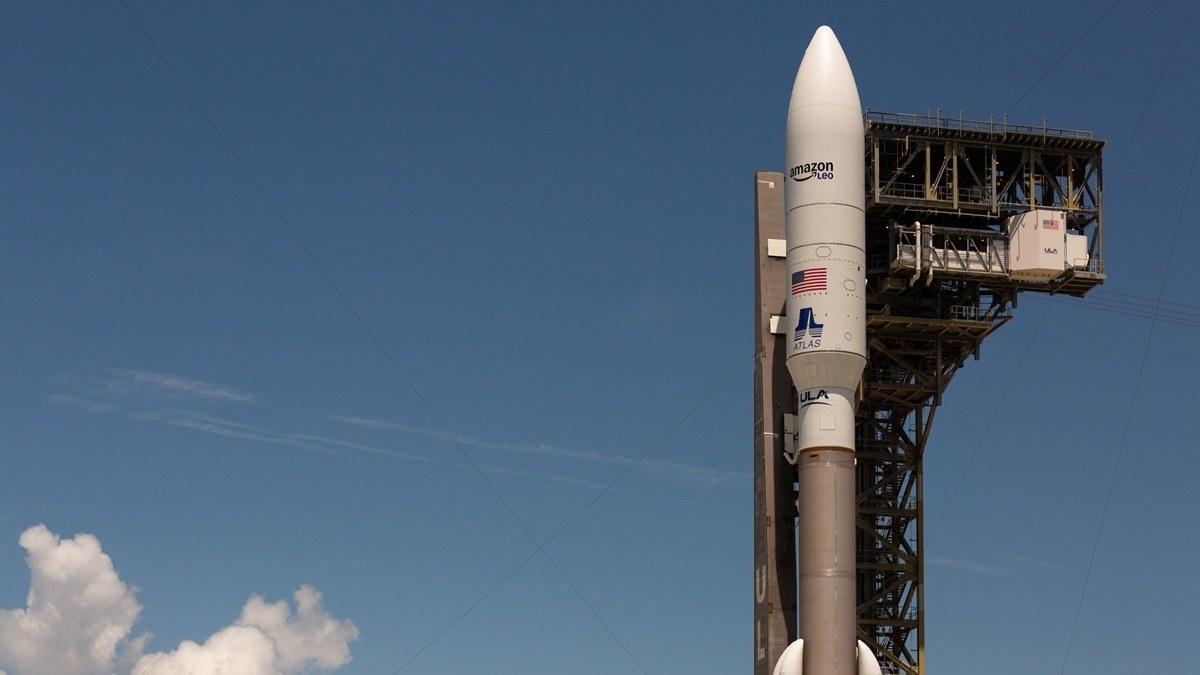
The rocket lifted off from Space Launch Complex 41 at the U.S. Space Force's Cape Canaveral in Florida. The developer confirmed that the vehicle failed to place Amazon's mission into orbit. However, in its statement, the rocket was referred to as 'Vulcan,' despite the launch description listing Atlas V.
The lost satellites were intended for Amazon's Leo project, previously known as Kuiper. Since late April of last year, the company has deployed 14 groups of satellites into orbits at altitudes of 590, 610, and 630 km, bringing the total number of satellites in its constellation to 396. In 2023, Amazon also launched two test satellites, KuiperSat-1 and KuiperSat-2.
By 2028, the Amazon Leo constellation is expected to include 3,276 spacecraft to provide global broadband internet connectivity. The company plans to have half of its satellite constellation in orbit by mid-2027. According to Amazon, the total cost of the project exceeds $10 billion.
Amazon Leo/Kuiper competes with SpaceX's Starlink satellite system. This constellation currently consists of approximately 11,200 satellites capable of delivering internet services anywhere on Earth.